13 Nov 2026
How Notification Timing Patterns Shape Split-Second Choices Between Soccer Goal Props and Video Poker Strategy Shifts Inside Merged Smartphone Platforms
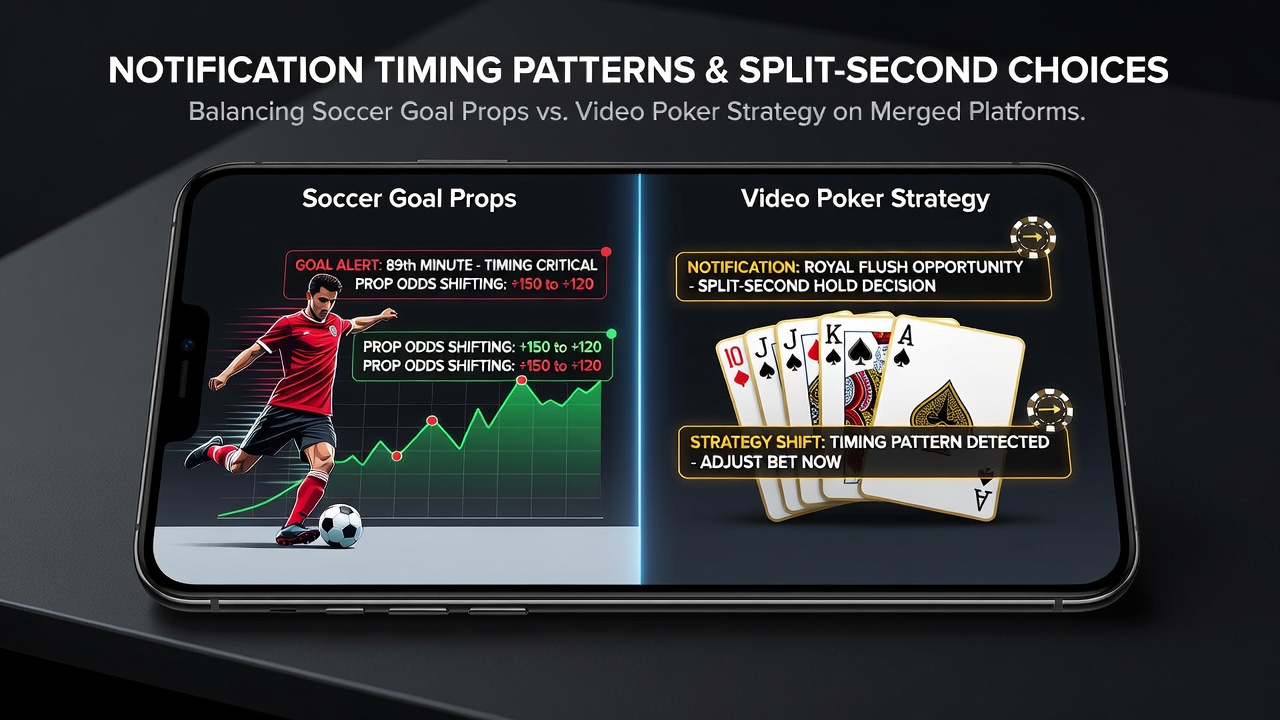
Notification timing patterns in merged smartphone platforms determine how users allocate attention between soccer goal props and video poker strategy adjustments during overlapping sessions. These platforms combine live sports wagering features with casino game modules so that a single push alert can arrive while a user evaluates a penalty kick opportunity or holds a potential flush in video poker. Data from integrated app analytics shows that alerts delivered within the first three minutes of a soccer match segment correlate with higher selection rates for goal props while delayed notifications after fifteen minutes shift focus toward poker hand recalibrations.
Timing Intervals and User Response Patterns
Platform developers record notification delivery windows that range from immediate event triggers to scheduled reminders spaced across thirty-minute blocks. When a soccer match enters stoppage time and a notification arrives simultaneously with a video poker payout reminder those who study these systems note rapid toggling between the two modules. Research from the Victorian Responsible Gambling Foundation indicates that intervals shorter than ninety seconds produce measurable increases in prop bet placements on soccer while longer gaps allow users to complete poker draw decisions before switching attention.
November 2026 schedules feature dense European league fixtures alongside continuous video poker tournaments on the same applications. Observers note that morning notifications tied to afternoon kickoffs prompt earlier soccer prop activity whereas evening alerts aligned with jackpot resets steer selections back to poker variants. The synchronization occurs because merged codebases share user session data across both verticals allowing one alert to reference metrics from the other.
Decision Pathways in Unified Interfaces
Split-second choices emerge when notification content references both soccer statistics and poker paytable changes in the same banner. Users encounter prompts that list current goal odds next to a suggested video poker hold adjustment and platform logs reveal that the order of listed items influences the first tap. Those who examine clickstream records find that soccer information placed at the top of an alert receives initial engagement while poker details listed second receive follow-up action once the sports module loads.
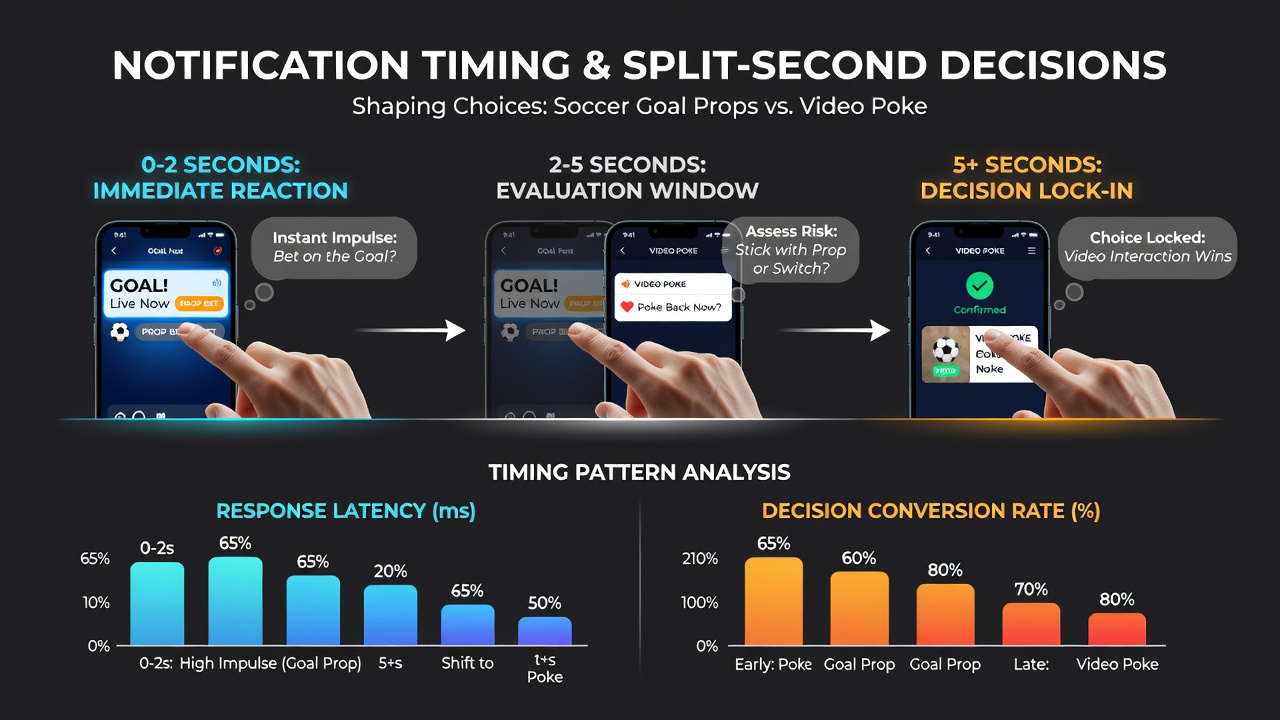
Studies of similar hybrid environments conducted by researchers at the University of Nevada Reno demonstrate that notification latency under five seconds increases simultaneous module access rates. The same work records that latency exceeding twenty seconds reduces cross-module movement and keeps users within a single game type. These measurements come from aggregated anonymized session data collected across multiple device types and operating systems.
Platform Architecture and Alert Delivery
Merged smartphone applications rely on shared push notification services that pull from both sports data feeds and casino random number generators. When a goal prop opportunity updates the system can embed that change inside an existing video poker session alert without launching a separate channel. This integration reduces the number of distinct notifications yet increases the informational density of each message. Figures released by the Nevada Gaming Control Board show that consolidated alerts account for a rising share of total user interactions in hybrid environments during late 2026.
Timing algorithms adjust delivery based on historical user patterns such as average session length and preferred game sequence. A user who typically opens soccer props before video poker receives notifications weighted toward match events early in the day while those who favor poker first encounter poker-related timing cues during peak evening hours. The algorithms draw from device-level telemetry that tracks screen dwell time and transition frequency between modules.
Conclusion
Notification timing patterns continue to guide rapid selections between soccer goal props and video poker adjustments on merged platforms through coordinated delivery windows and shared data streams. Records from regulatory bodies and academic analyses confirm that interval length content order and session context each contribute measurable effects on user pathways. As platforms refine these systems through ongoing data collection the relationship between alert timing and module choice remains a central element of hybrid mobile design.